Philosophy of the Campus

Our lifestyles are largely driven by the Architecture of the place where we live.
Architecture can therefore be conducive or detrimental for the inner growth, health and overall well being of each of us. In an urban society, we accept a certain architecture (3bhk/kitchen/toilet) that is passed to us and base our lifestyles (often unhealthy) around such an architecture.
Designing a Campus for Gurukulam where about 150 girl students along with Acharyas will thrive therefore becomes very important – Moreover, Gurukulam System does not require designated space of learning/classrooms, or the artificial laboratories. (The entire Gurukulam is a Prayoga Shala). Therefore the lifestyle itself has to be built where learning happens naturally. There is no separation between lifestyle and learning period.
Therefore it is decided that there will be several Acharya houses, and a multi-purpose community centre, that are all built in a traditional manner without using any chemical cement or concrete.
Breathing walls and ventilation, sufficient greenery, that eliminates the need for air-conditioning, thereby making the campus self-sustainable as much as possible for the energy, light and edible requirements
Features of the Campus
(100% Ecofriendly Buildings)

PAATHA SHALA
Place of Learning
Prayoga Shala
Laboratory
PAAKA SHALA
Kitchen & Dining
GO SHALA
Cow Shed
ATITHI SHALA
Stay for Visitors
- 915 Independent Duplex Houses for Acharyas and 10 students each
- 9Sudharma Bhavanam – Multipurpose Building with Temple in Center, Comprising Library, Office, Laboratories, Guest Rooms and Auditoriums, and so on
- 9Kalari Pit with Roof
- 9Manure Plant
- 9Water Tank
- 9Go Shala with Grass Storage
- 9Separate Toilet Complex
- 9STP
- 9Rain Water Harvesting
- 9Vegetable Garden
- 9Nakshatra Vanam – Plantation according to Vrukshayurvedam
- 9Agricultural Land
- 9Bio-Gas Plant
Project Timeline
- Ugadi (Hindu New Year & Summer of 2024) – Commencement of Academic Sessions
- 5th Dec 2022 – Architectural Plan Approval by the authorities –
- 28th Nov 2022 – Ground Breaking Ceremony
- 20th Nov 2022 – Architectural Drawing Completion – Foundation Markings
- 5th Oct 2022 – Arrangement of Accommodation for visitors at the Location
- 30th Sep 2022 – Land Flora Adjustment and Fencing Preparation
- 10th March 2022 – Land Identification and Registration to Trust
- 7th Feb 2022 – Trust Registration, 80G, 12A Approvals
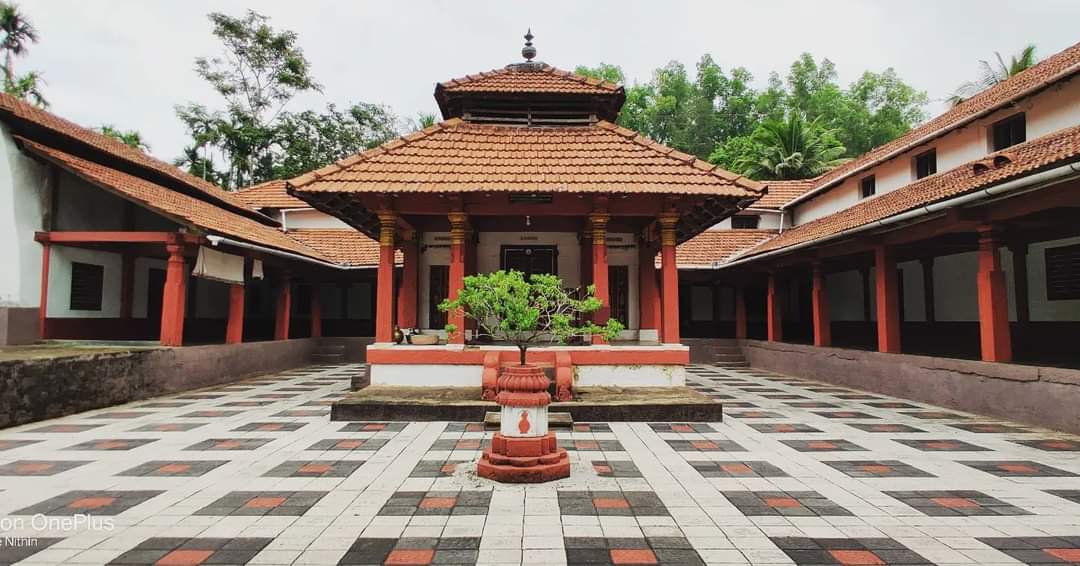

Model of SudharmaComplex
(Subjected to few changes)
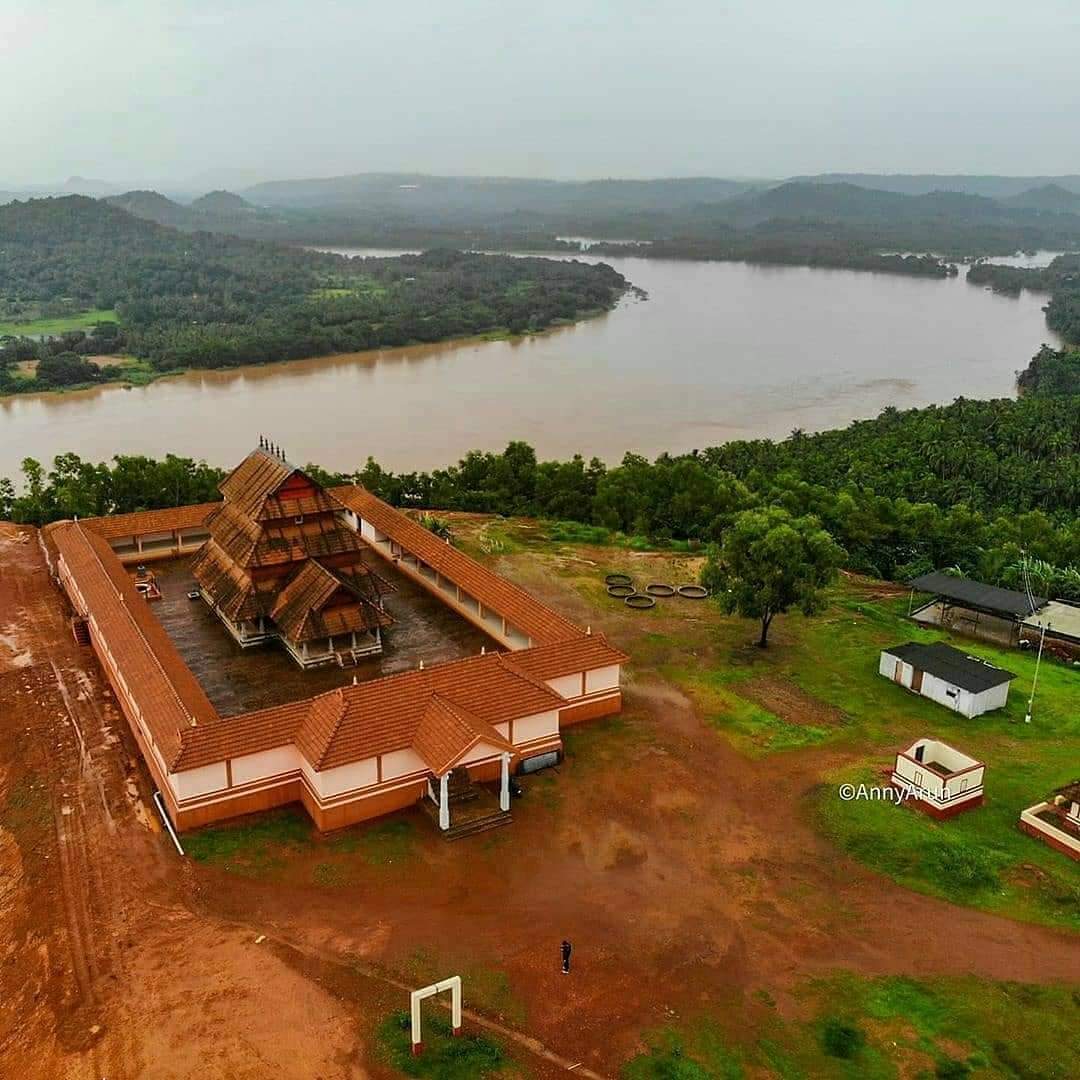
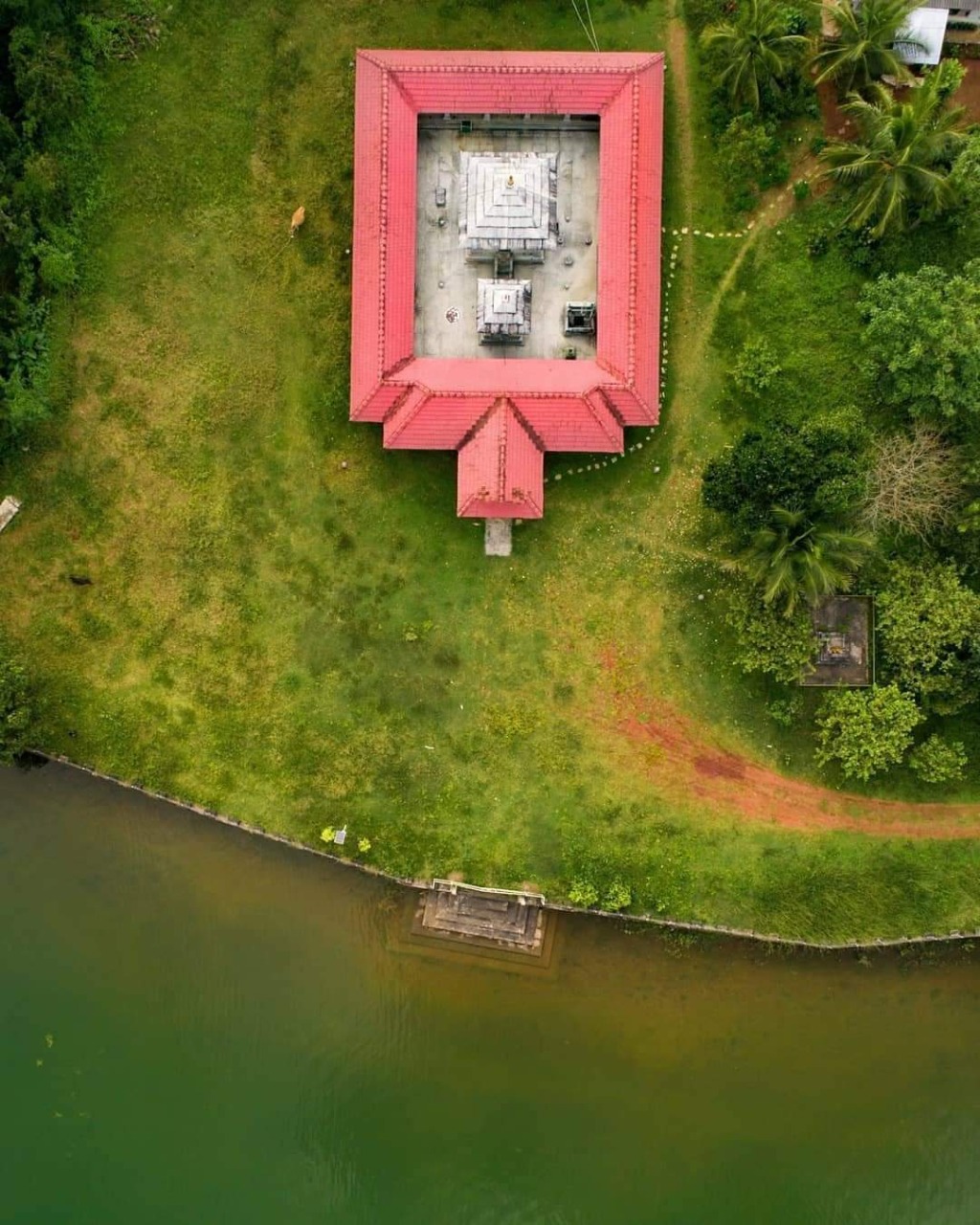
Planned Infrastructure
Ground Floor Plan

Flirst Floor Plan
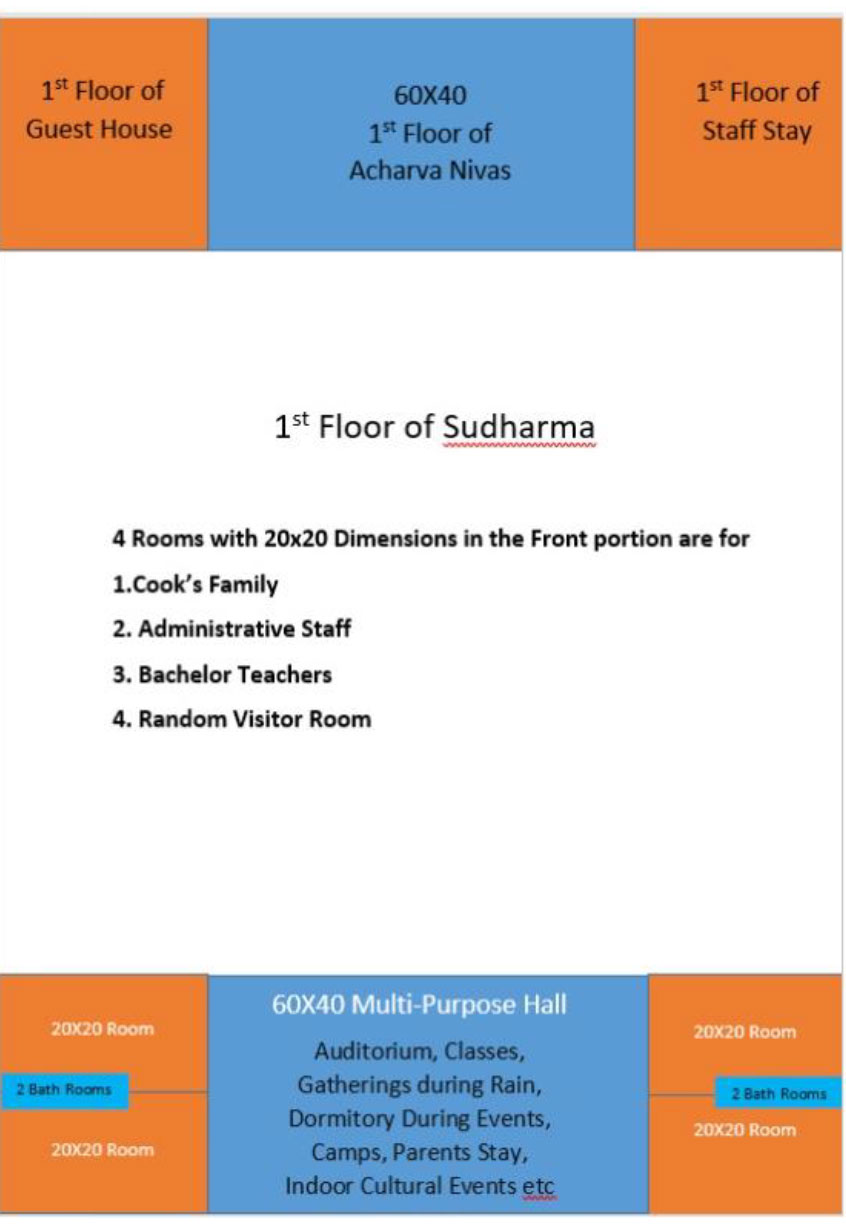
1. Acharya Nivas
Large House of VC/Head of Institution. in 60×40, Behind the 10×10 temple, facing the temple’s back
• G+1 with Courtyard in the centre
• Back Yard and Front Yard
• Should accommodate 3-4 families
• Single Kitchen
• Small Yaga Shala in Portico
• In Backyard, Small Goshala, washing clothes, veg
garden, coal stove, and other traditional reqmts
2. 10x10 Saraswathi Temple (Garbhagraham)
- At center of Sudharma in open space with the height exceeding entire Sudharma
- Temple expected to have spacious mandapam in front attached to it, for musical performance, evening bhajan, meetings
- Mandapam is not immediate requirement, only temple yes
3. Kitchen and Dining
- TraditionalKitchenwhichissufficienttocook400 meals at a time.
- Coal stoves, and Steamed Cooking system supported from backyard of the kitchen,
- Kitchen needs to have entrance from backyard, from temple side, and from the dining hall
- Dining Hall is attached to Kitchen,
- No table and chairs in dinning
4. Teacher’s Stay
- 30×30 Two houses, in the ground floor for two teacher families (facing the side wall of the temple from side, next to the VC bunglow)
- Thinnai for both houses
5. Office, Library, Lab and Store
-
Office 10×10
-
Store 30×10
-
Lab&LargeLibrarycombinedwithentrancefrom
temple side
6. Karyashala / Activity Room
• 30×40 activity room
• Musical instrument storage
• Tailoring machine
• Cow dung product making
• Temple and festivities-related activities
• Garland making
• Preservative food preparation (Vathal, oorugai) • Herbs Medicines Preparation/Packaging
7. Administrator’s House
-
30×40 House on top of Activity Room
8. Hostels
30×30 – three hostels with thinnai
9. Guest House
-
Acharna Nivas Thinnai will lead to the two Guest Houses, two 20×20 houses with 10 feet passage in front
-
Staircase to go up
10. First floor Components
-
Four 20×20 rooms with attached bathrooms only
-
60×40 Hall – Audotirum, Classes, Gatherings during Rain, Dormitory during events, camps,
parents stay, indoor cultural events
11. One Peepal and Neem Tree
in front of the Temple inside the Sudharma, with a small platform
12. Homakundam
with small mandapam, inside the open space of Sudharma (opposite to pupil tree platform)
13. Backyard of Acharya Nivas
- Small Goshala Attached to Acharya Nivas
- Veragu storage
- Acharyas toilet and bathroom
- Other traditional backyard features (stone
grinding)
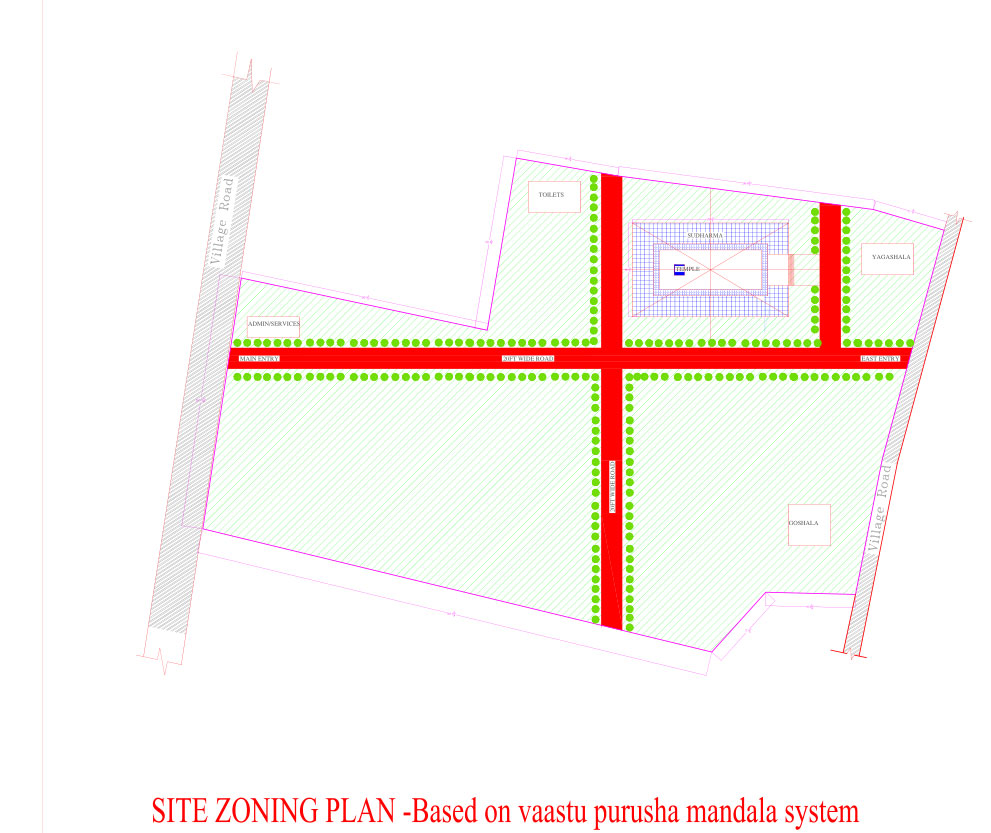
14. Toilet Complex
- Separation between students toilet and teachers/families
- Cloth washing area
Infrastructure Estimate
|
1 |
Land Purchase |
5.5 Acres |
120 Lakhs |
Founder’s Contribution |
|
2 |
Agriculture Land Purchase (Trustee’s Contribution) |
2 Acres |
40 Lakhs |
Executive Trustee’s Contribution |
|
3 |
Fencing |
|
20 Lakhs |
Expecting Donors |
|
4 |
Sudharma Multi-Purpose Complex |
15000sqft |
360 Lakhs |
— |
|
5 |
Saraswathi Temple Traditional Kanchipuram Style |
10x10ft |
18 Lakhs |
— |
|
6 |
Kalari Stadium |
71X102ft |
14.48 Lakhs |
— |
|
7 |
GoShala, Shed with 75 Cows |
30×111 |
|
— |
|
8 |
Toilet Complex |
|
25 Lakhs |
— |
|
9 |
15 Independent Duplex Houses with Courtyard |
15 x 2400sqft |
864 Lakhs |
— |
|
10 |
Manure, Biogas, STP Plants |
|
12 Lakhs |
— |
|
11 |
Rain Water Harvesting & Solar Plantation |
|
10 Lakhs |
— |
|
12 |
Recurring Cost |
|
75 Lakhs |
— |
Trust Details – THE CHILDREN OF INDUS VALLEY (TRUST) Estd – 2019
80G APPROVAL
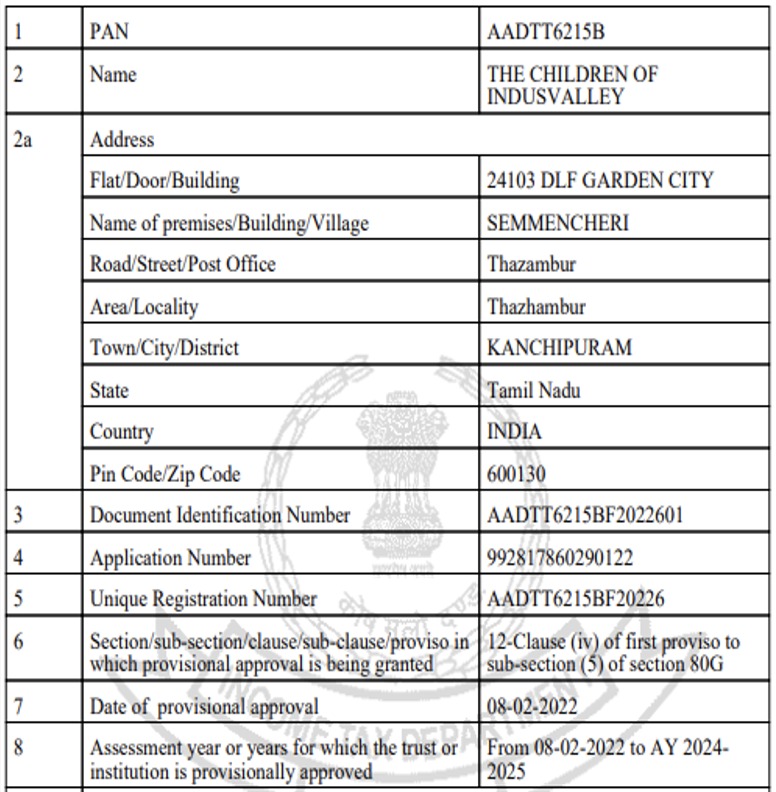
12A APPROVAL
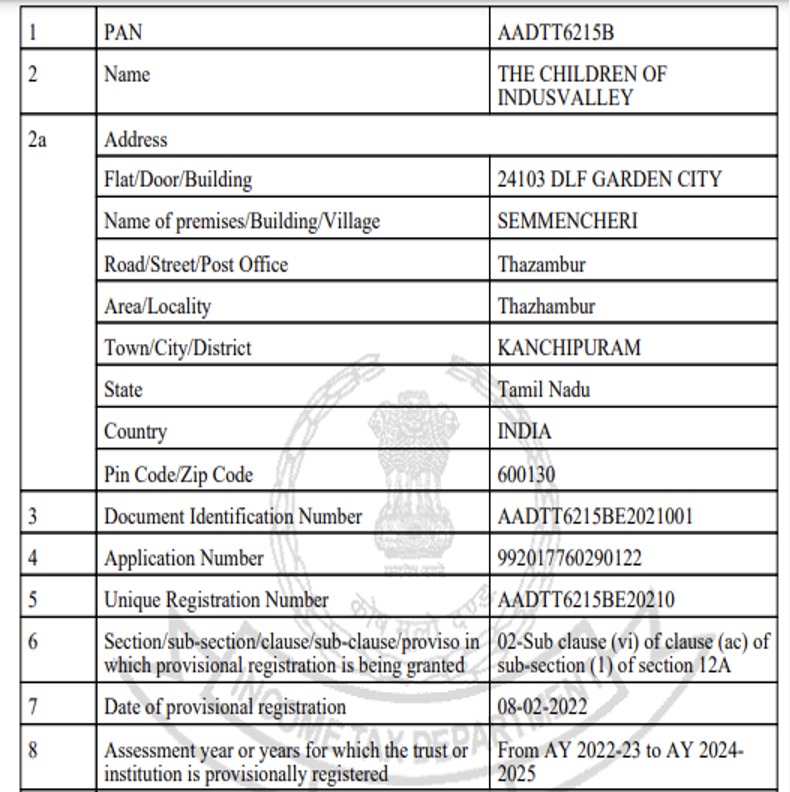
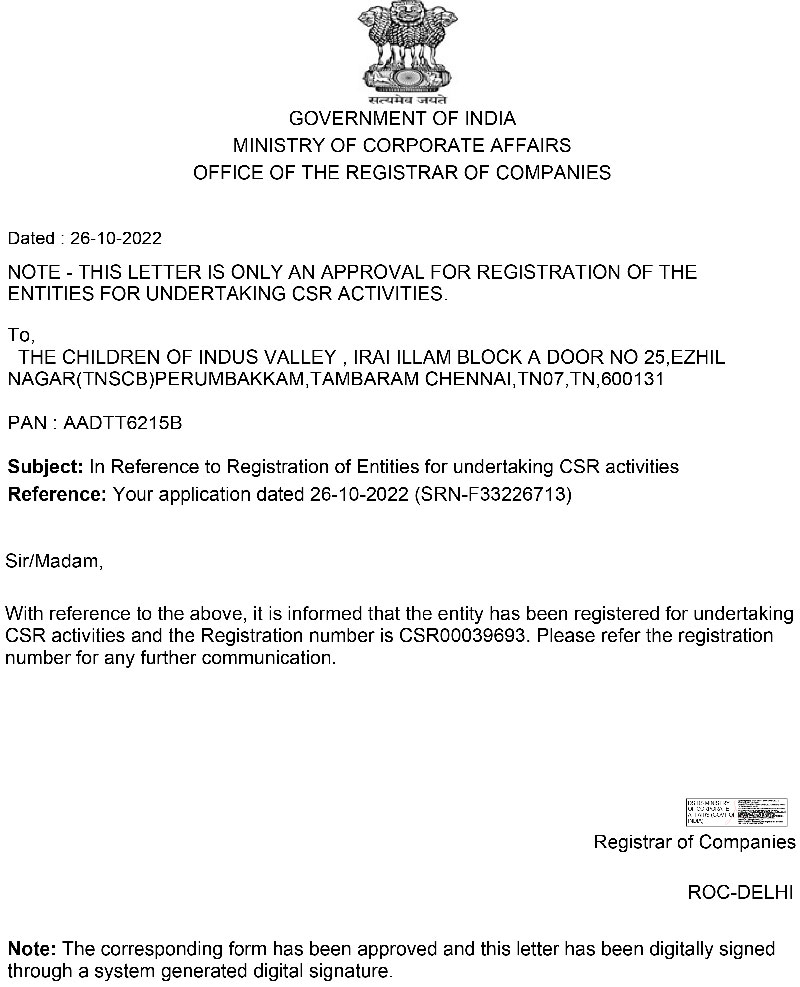
CSR APPROVAL